
-
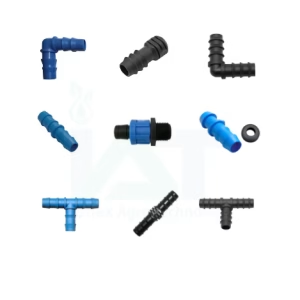
-
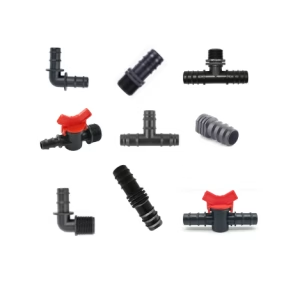
25mm Fittings and Accessories (22)
-
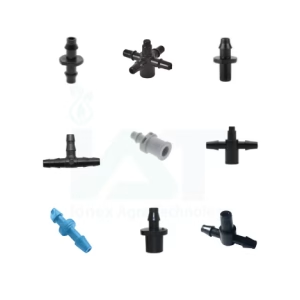
4mm Fittings and Accessories (25)
-
8mm Fittings and Accessories (3)
-
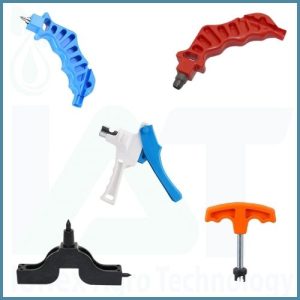
Drilling Punching Tool (5)
-
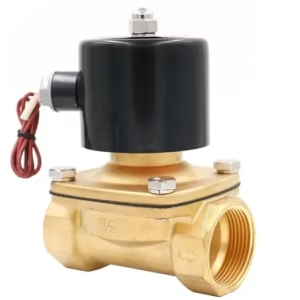
Electric Solenoid Valves (2)
-
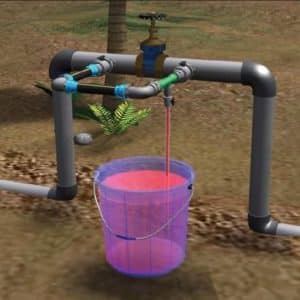
Fertilizer and chemical injectors (5)
-
Fogger Sprayer Setup Fittings (18)
-
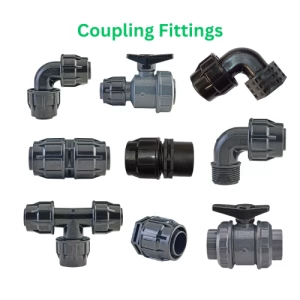
Irrigation Pipe Coupling Fittings (20)
-
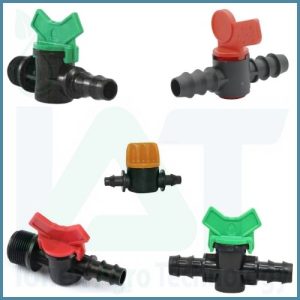
Mini Control Valve (14)
-
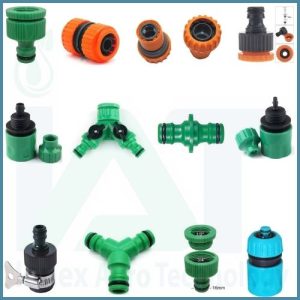
Quick Connectors (19)
-
Sprinkler Setup Fittings (9)
Fittings & Accessories
Certainly, there are various fittings and accessories that are essential for setting up and maintaining an effective irrigation system. Chiefly, these components help connect, control, and optimize water distribution for your plants. In fact Here are some common fittings and accessories for irrigation systems:
Fittings:
- Couplings: Primarily, connect two pieces of tubing together.
- Elbows: Basically, change the direction of tubing, typically at 90 or 45 degrees.
- Tees: Create branching points in the tubing for multiple lines.
- Crosses: Similar to tees but with four outlets, useful for complex layouts.
- Adapters: Specially connect different sizes or types of tubing together.
- Reducers: Transition from larger to smaller tubing sizes.
- Barbed Fittings: Specially have barbs for easy insertion into tubing, commonly used for drip systems.
- Compression Fittings: Use compression rings to secure tubing onto fittings.
- Threaded Fittings: Screw onto threaded pipes or components.
- Locking Clamps: Secure tubing to fittings to prevent leaks.
- Valves: Control water flow, allowing you to turn sections of your system on or off.
- Backflow Preventers: Prevent water from flowing backward, ensuring the water supply remains clean.
Accessories:
- Emitters/Drippers: Deliver water directly to plant roots, minimizing water waste.
- Sprinklers: Distribute water in a spray pattern for larger areas.
- Micro-Sprinklers: Emit water in a fine mist for smaller areas.
- Soaker Hoses: Hose with tiny holes that release water along its length.
- Filter: Removes debris from the water, preventing clogs in emitters and nozzles.
- Pressure Regulator: Controls water pressure to prevent damage to the system.
- Timer/Controller: Automates watering schedules for efficiency.
- Hose End Timers: Attach to a standard hose faucet for timed watering.
- Rain Sensor: Halts irrigation when it detects rain, preventing over-watering.
- Pressure Gauge: Monitors water pressure within the system.
- Stakes and Hold-Downs: Secure tubing and components in place.
- Distribution Tubing: Larger tubing that carries water from the main line to various parts of the garden.
- Emitter Conversion Kits: Convert sprinkler zones to drip irrigation zones.
- Flush Valves: Allow for manual flushing of debris from the system.
- Wireless Soil Moisture Sensors: Measure soil moisture levels to inform watering decisions.
Particularly, remember that the specific fittings and accessories you’ll need depend on the type of irrigation system you’re setting up—whether it’s a drip system, sprinkler system, or another type. Moreover, it’s important to plan your irrigation layout and gather the necessary components before starting installation to ensure a smooth and efficient setup.